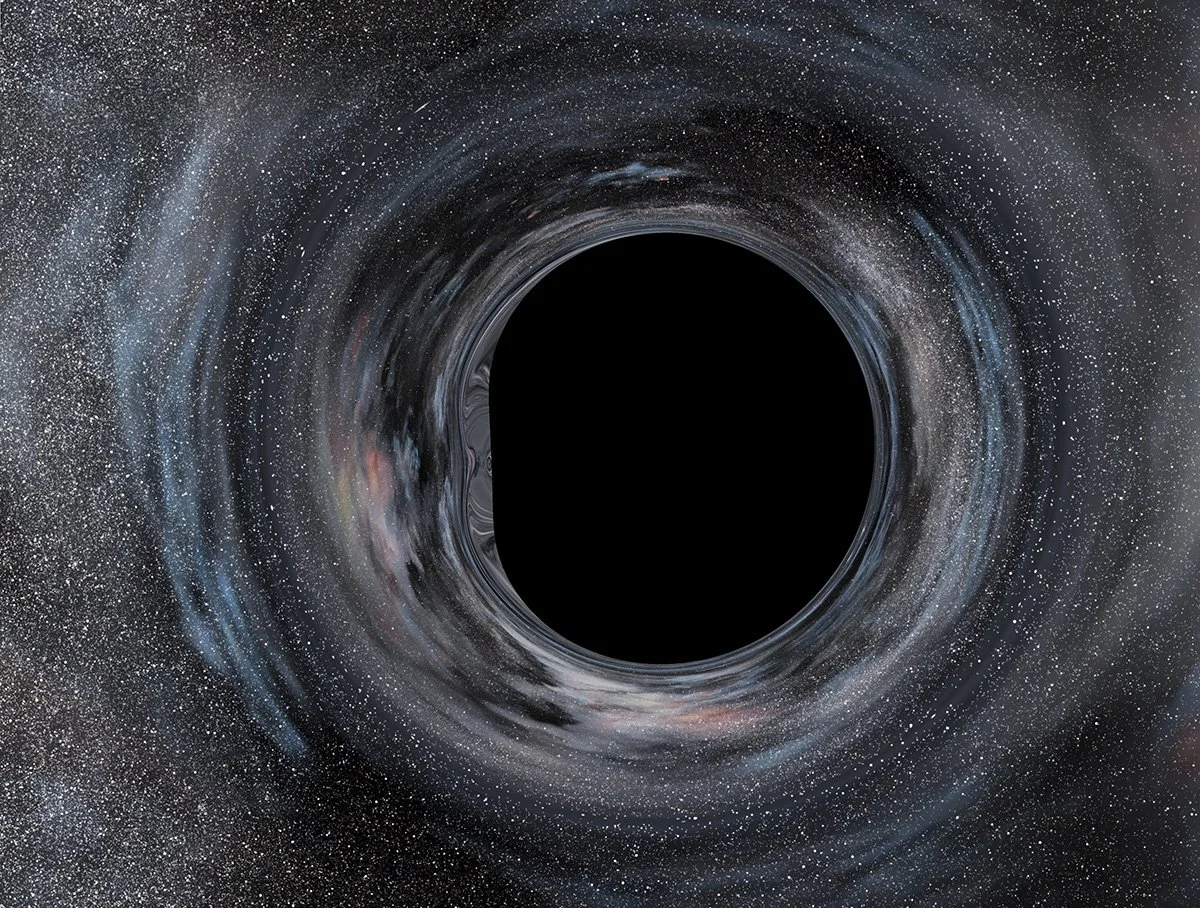
Time dilation
In my Film as Literature class we have been watching the film Interstellar, which is such a great movie, and I think the kids are paying pretty good attention, but now it is time to assess. Essay baby.

Time as a Character
Time plays a huge role in the story—not just in science, but in emotions and relationships. How does time affect Cooper’s connection with Murph? How does time dilation on planets like Miller’s world change the way the characters see their mission? Explain how time is almost like a “character” in the film and why it matters so much to the story.
In Christopher Nolan’s Interstellar, time is not just a scientific concept—it is a force that shapes emotions, relationships, and the meaning of sacrifice. At the center of this theme is the relationship between Cooper and his daughter, Murph. For Cooper, time represents both love and loss. When he leaves Earth, Murph feels abandoned, and as years pass differently for them, their bond becomes strained. Every message Cooper receives shows Murph growing older while he remains nearly the same, which deepens the pain of their separation. For Murph, each year without her father feels like a betrayal, while for Cooper, the years slip away in moments he cannot control. Time becomes the invisible barrier between them, testing the strength of their love.
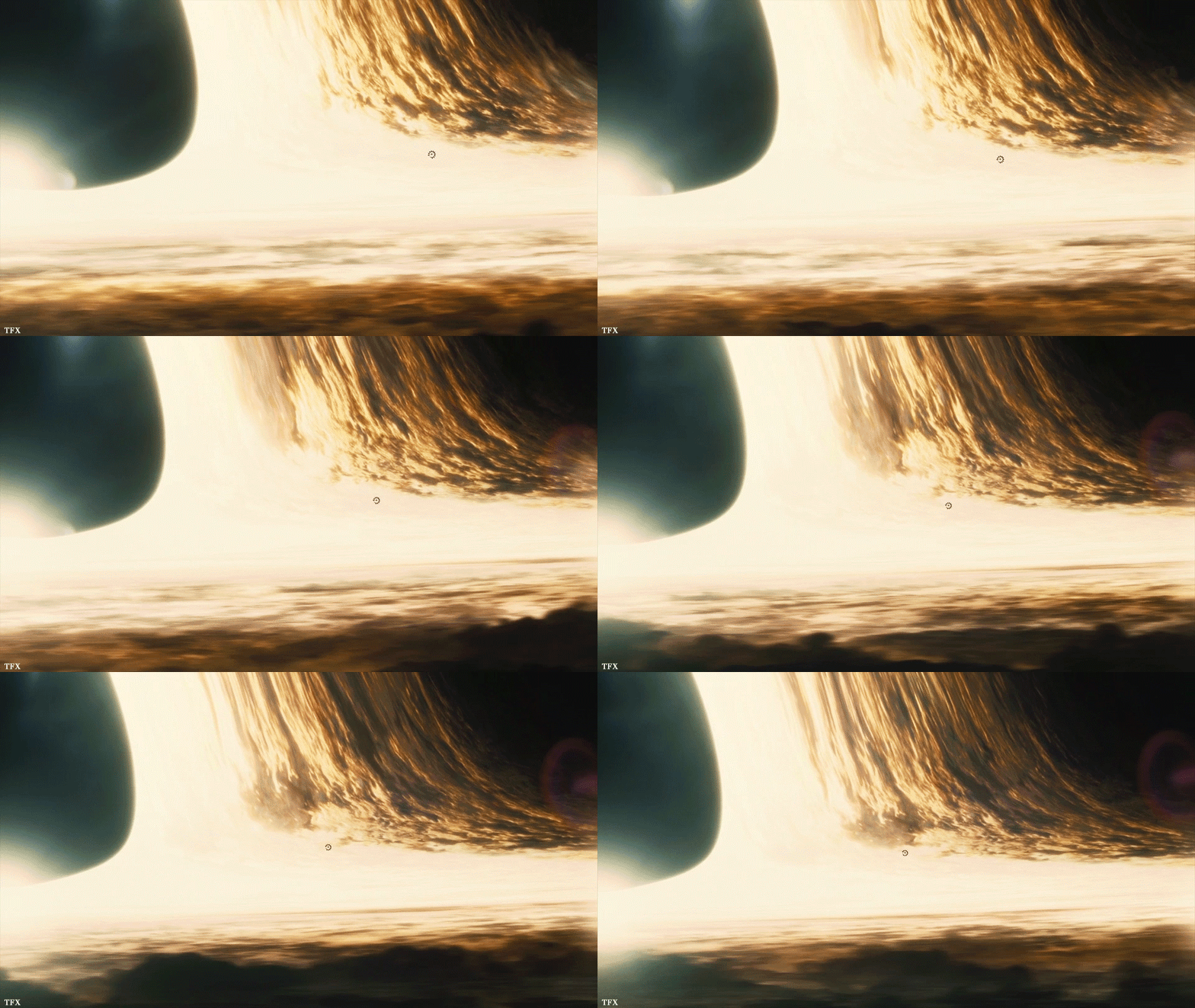
Time dilation on planets like Miller’s world further emphasizes how fragile human connections are in the face of cosmic forces. On Miller’s planet, every hour equals seven years on Earth. The crew’s short mission there leads to decades of lost time, reminding them of the enormous stakes of their journey. For Cooper, this means missing most of his children’s lives. For the others, it reveals the brutal cost of exploration—that saving humanity might mean losing their personal ties forever. The science of relativity collides with human emotion, and characters must reckon with what matters more: the survival of the species or the time they will never get back.
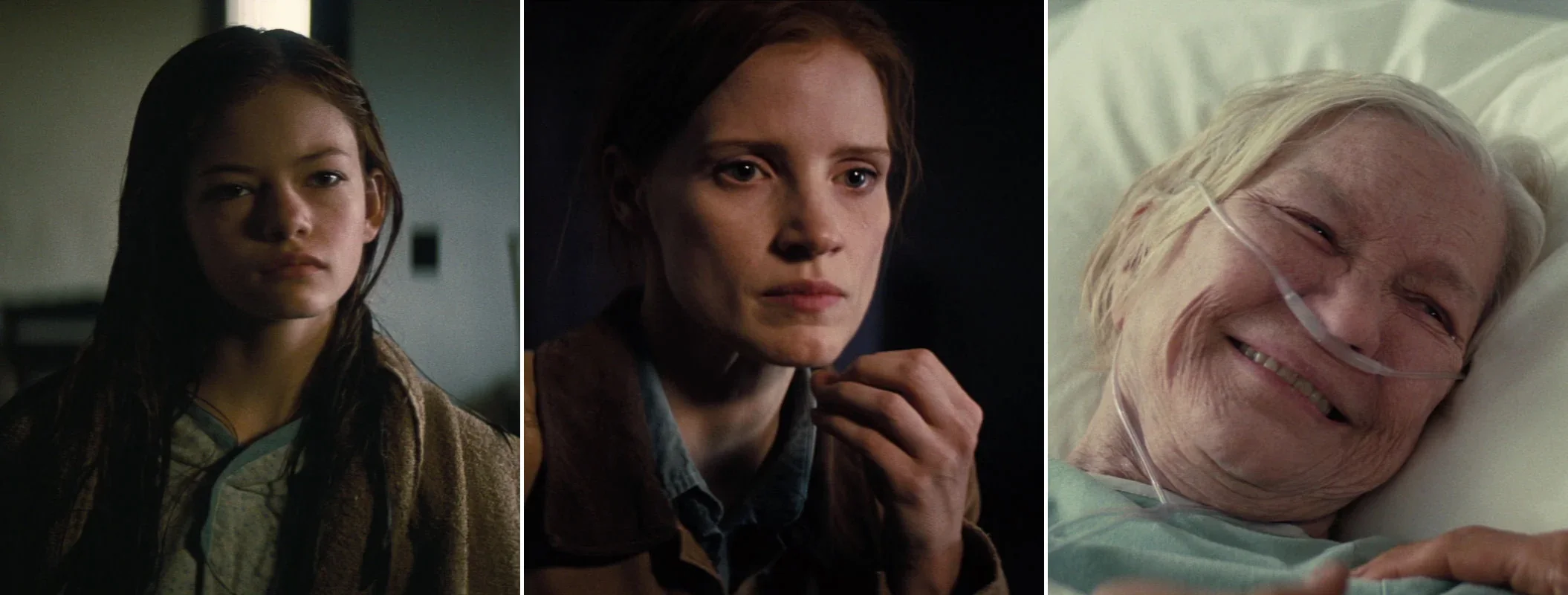
In many ways, time functions almost like a character in the film. It has power, it influences decisions, and it creates conflict. Unlike a villain who can be defeated, time is unyielding and impartial. The characters cannot escape it; they can only endure it or find meaning within it. The story reminds us that time is the one resource that cannot be regained, making every choice more urgent and every sacrifice more profound.
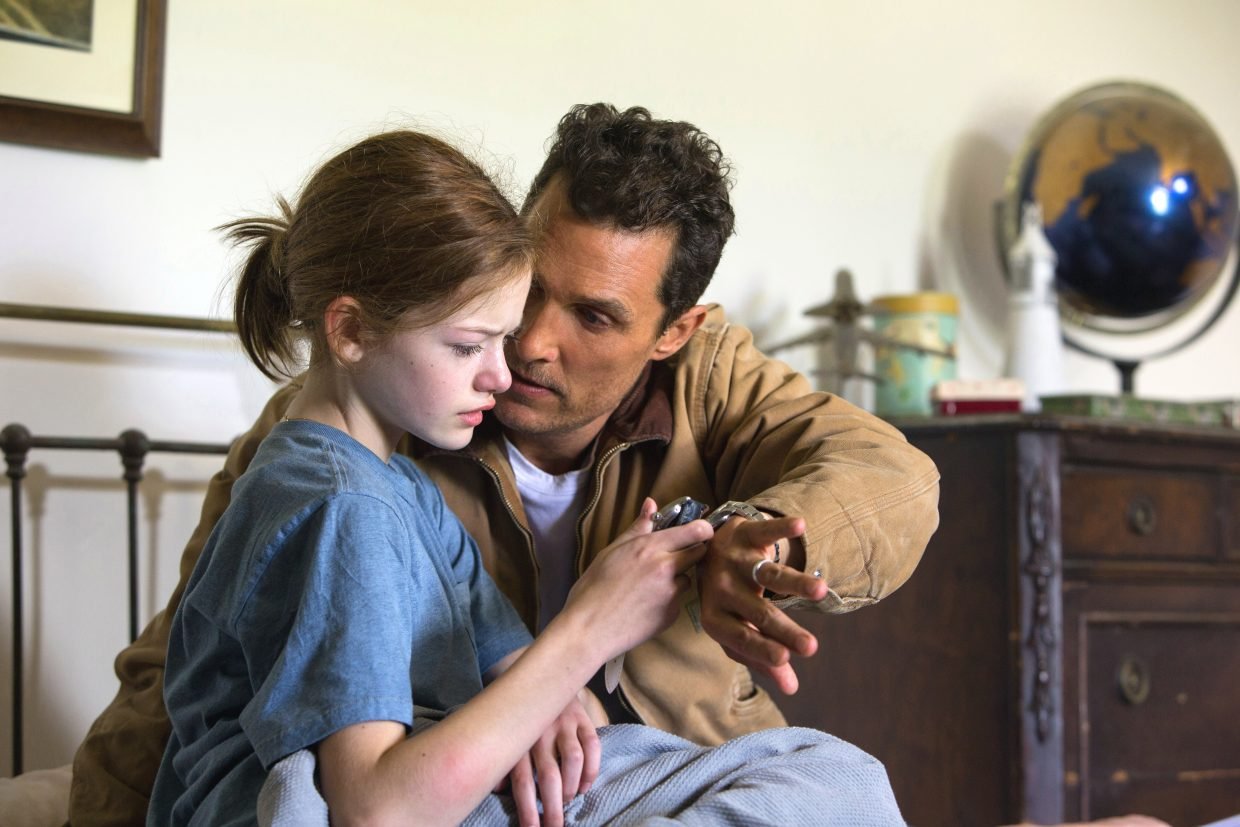
Ultimately, time matters so much to Interstellar because it gives the film its emotional weight. The science is fascinating, but the real impact comes from watching people struggle with the consequences of lost years and fractured relationships. Cooper’s final reunion with Murph—where she is old and he is still young—captures the bittersweet reality that love can outlast time, but it can never stop it.
Through the lens of time, Interstellar shows that time is not only a scientific dimension but also the most human measure of what we value, what we lose, and what endures.
To Strange Libraries

Haruki Murakami
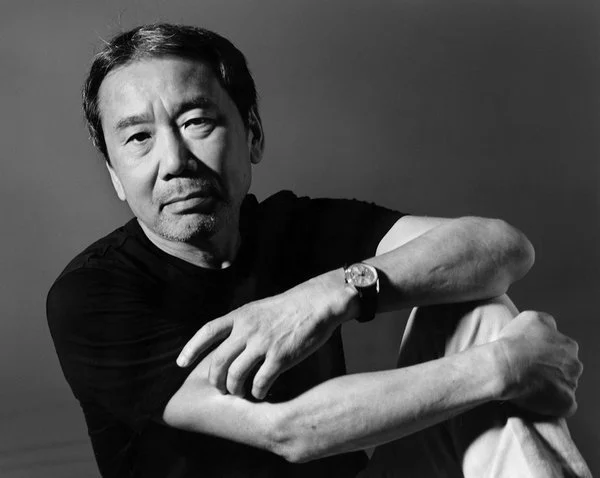
I have been in a bit of a reading desert as of late. Nothing seems to perk my interest, but the author Murakami kept being spoken of on the podcasts that I happen to listen to. So I downloaded it to my Libby app and started reading it.
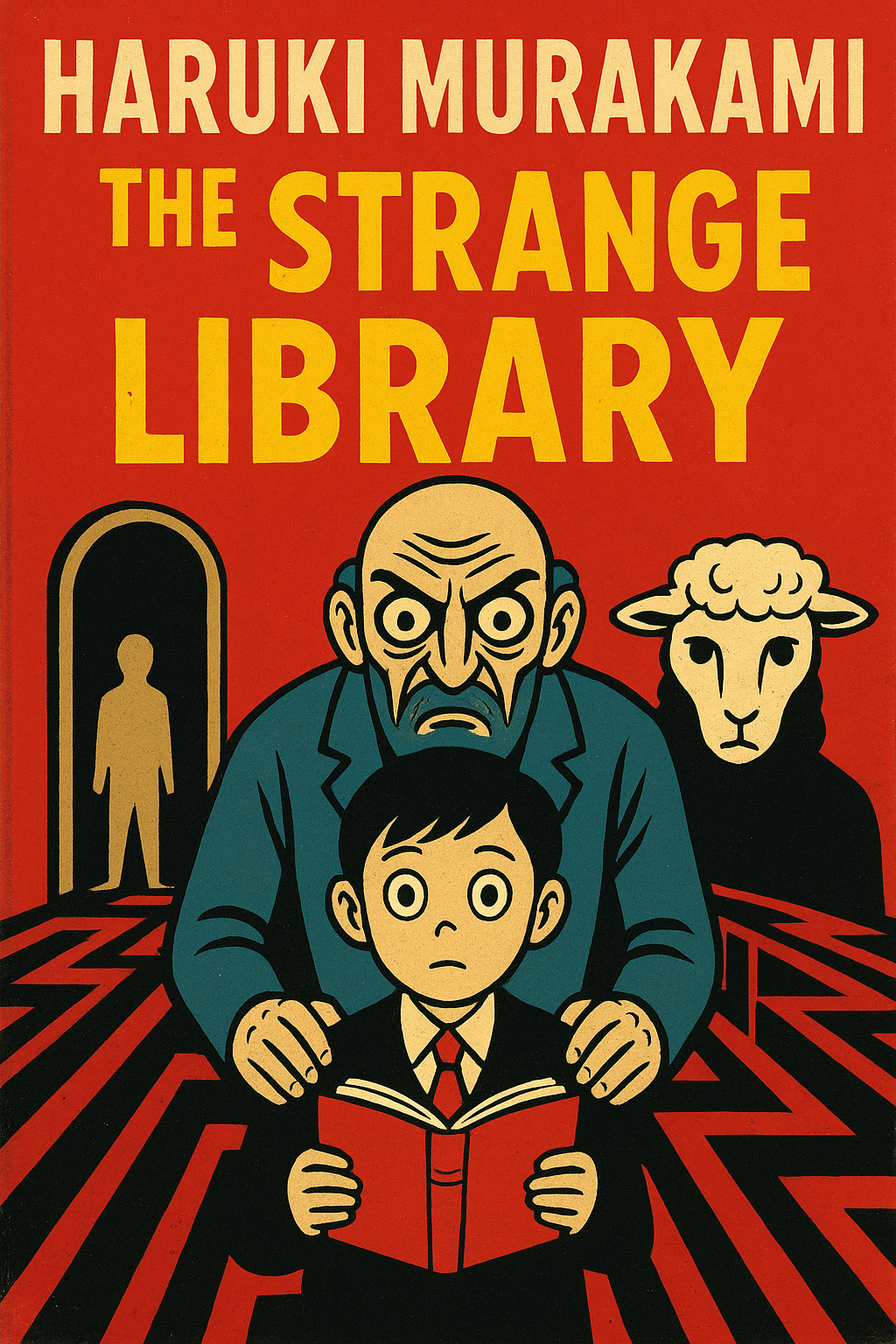
It was a really short story; took me perhaps 15 minutes to read it. What a weird, weird book. It is supposedly a children’s book which makes it even more curious. It is about a young man who goes to the library to read about ‘Tax collection in the Ottoman Empire’ which sounds like a real barnburner of a read. He meets a man who tells him to go to another room to read as the books he wants are not allowed out of the library. I do not want to be a spoiler type of fella, but he is trapped by some mystical people. All along he really seems to be more worried about what his mother is going to think or say…dude needs to get cut the umbilical cord I think.
Listen - it was a short read and it was laden with metaphor. It is a compact, surreal whirlwind—equal parts fairy tale and fever dream. Its striking visuals amplify Murakami’s trademark mix of whimsy and menace. He would describe in vivid detail characters that seemed more at home in Alice in Wonderland, all while threatening to kill the protaganist. Whether you're drawn to its labyrinths, creepy characters, or surreal unease, it’s a weird little book that leaves you wondering that the hell you just read.
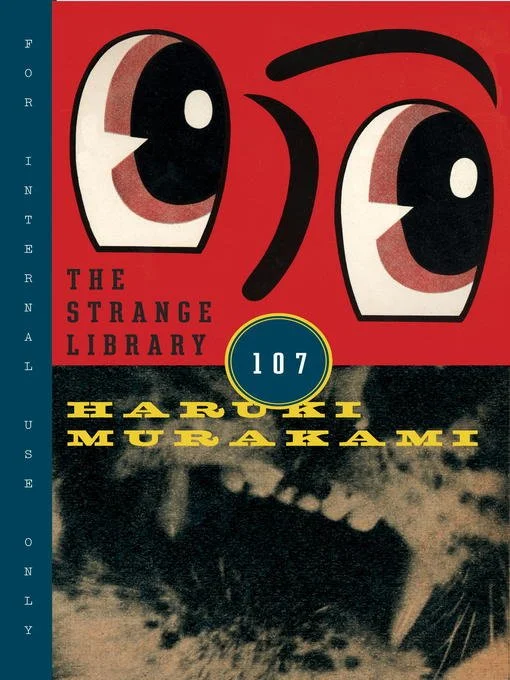
On the left is the book cover and above is a really trippy video that would only make sense if you have read the book. So go read the book and come back - or don’t.

My Personal Legend

Paulo Coelho’s The Alchemist is a book that I have been reading for a really long time. When I say "long time” I am talking about 20 years. Best I can imagine, it was 2003 or so when I first heard about it. I was driving home from school and I was listening to Dan Patrick’s talkshow and he was interviewing Reggie Miller. The conversation turned to books Miller was reading and how they had impacted him. He brought up The Alchemist and the way he spoke of it was really intriguing. Reggie Miller has always struck me as a really smart guy, so I figured if it was good enough for him, it was good enough for me. I went to Barnes and Noble and bought it in paperback that same week.

The story - which I will not give a lot of details about because I would never ruin such a good story - starts with the main character Santiago, who is a shepherd in Andalusia - a region in southern Spain, known for its rich history, diverse landscapes, and unique blend of cultures. Santiago is what I think of as a “searcher”. He is on a journey of self-realization, attempting to find his place in the world. Early on he encounters an older mentor (a vehicle used by lots stories; Star Wars or any of the Harry Potter films) who guides him on his way. So he begins his travels.


One of the things this book focuses on is Santiago’s Personal Legend. In short, someone’s personal legend is your destiny, your life's spiritual purpose, the one thing you are meant to accomplish in this world. It’s the dream that has always called to you deep inside your heart — often since childhood — before the world told you to be more “realistic.”
I think the biggest reason that I read this book annually is due to this part of the book. I think the concept of losing your personal legend over time due to reality or pragmatism really sucks. With that being said, I think that it absolutely happens.
It is really a nuanced concept. There are things that would have been my personal legend that I have let go which makes sense - when I was younger I envisioned myself as a baseball player. That dream, after numerous arm surgeries - and not figuring things out until it was too late (a topic for a future post) - is long gone. Also, what about where you are in life presently? I am 52 years old with a wife of close to 20 years and 2 fine sons. I love them dearly. So if my personal legend today was to ride a motorcycle to Argentina, would the Universe come in to play to make that happen? Or would the mystical force described in Coelho’s book stop me because it knows my personal legend at this point in my life is should be to make sure I am a fixed point of support for my family? This existential issue is far beyond my meager intellect. It also does not take into account any of my thoughts on how God has a plan for my life that I believe far outstrips anything I might think of myself.
“We are here on Earth to fart around, and don’t let anybody tell you different.”

So let’s hear it - what is my Personal Legend?
Disclaimer: This is really tough for me - I feel like most people have this grand vision for themselves, something that makes them happy and shines a light on the world in such a way as to reduce the suck. Like an artist; someone who makes beautiful things that come from the soul and act as a catharsis of sorts.
I cannot think of anything I do in particular that does anything close to that.
Does this mean that I am just middling along? Not really doing anything important? Am I not listening hard enough to hear God’s voice? Would Coelho say that I can no longer even remember what my childhood personal legend was/is and it is therefore remaining quiets so as not to leave me in a state of regret?
This kills me because I want and hope to be someone who is an agent of change. That sound pretentious. What I mean is that I want my life to have meaning, to accomplish something of value. If I were grading myself on this, I think it would be a subpar score. Is life graded on a curve? I hope so.
Personal Legend - John Oestreich, age 52.
To repeat - In short, someone’s personal legend is your destiny, your life's spiritual purpose, the one thing you are meant to accomplish in this world. It’s the dream that has always called to you deep inside your heart — often since childhood — before the world told you to be more “realistic.”
Somehow figure out or get out of God’s way in His attempt at showing me what in the world I am supposed to be doing here.
Make sure that my family is taken care of - in every way possible.
Create as many opportunities for students are possible.
Reduce the suck of the world.
I don’t know what else.
Maybe Vonnegut was right?


Fear and Loathing.

This seems particularly poignant right now as I watch the dismantling of democracy - well at least democracy of the until just recently American variety.
TODAY:
Polarization & Dysfunction – Gridlock in Congress, government shutdowns, and an inability to pass meaningful legislation.
Executive Overreach – Presidents expanding their power through executive orders and emergency powers, bypassing Congress.
Judicial Manipulation – The Supreme Court making decisions that shift power away from regulatory agencies or undermine long-standing legal precedents.
Defunding & Deregulation – Shrinking government agencies (EPA, FDA, etc.), making them less effective.
Privatization – Turning public functions (like prisons, education, or even parts of the military) into private businesses, reducing government control.
Erosion of Norms – Leaders ignoring traditions that keep institutions stable, like peaceful transfers of power or respecting the rule of law.
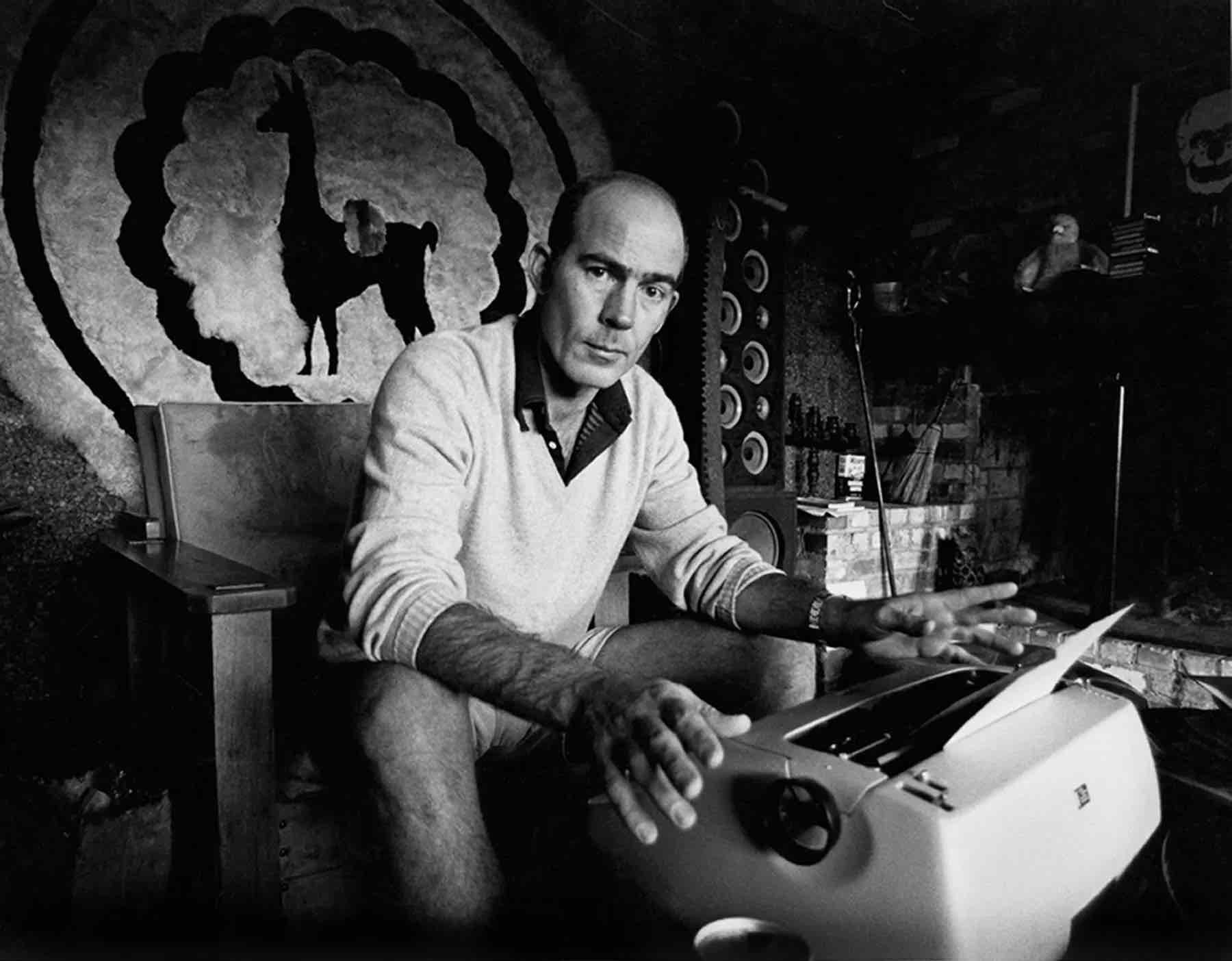
I am not going to start spouting what about-isms or what I think should happen. I will leave it to the great counter culturalist Hunter S Thompson to take care of it for me.
Hunter S. Thompson was a larger-than-life journalist, writer, and cultural icon known for his wild lifestyle, sharp political commentary, and creation of Gonzo journalism. a style where the writer becomes part of the story. His work blended fact and fiction, often fueled by drugs, alcohol, and a deep disdain for authority.
Hunter S. Thompson was fiercely anti-authoritarian, deeply cynical about politics, and had an intense hatred for corruption and dishonesty in government. He famously despised Richard Nixon, whom he saw as the embodiment of political evil, and was a strong advocate for personal freedoms, civil rights, and transparency.
He leaned toward progressive and libertarian ideals—favoring drug decriminalization, anti-war policies, and freedom of the press—while also having a gun-loving, anarchic streak that didn’t fit neatly into any party. He would be a hero in this regard today. He supported George McGovern in 1972, calling Nixon "a beast" and "a menace to everything decent," and later backed Bill Clinton in the '90s, despite not being too sure about Democrats. (Too anti-gun)
If he were alive today, I believe Thompson would likely be disillusioned with both major parties, but he would almost certainly vote against authoritarianism and dishonesty. He would probably support a progressive candidate who champions civil liberties and opposes corporate influence. The opposite of what we have now in other words.
The video seems to be what he saw…maybe…but the description of Gonzo journalism is pretty good.
Death and legacy:
In 2005, Thompson took his own life at age 67. His funeral, funded by Johnny Depp, involved shooting his ashes out of a cannon while fireworks exploded, as per his wishes.
His impact? Still massive. His fearless journalism, rebellious spirit, and larger-than-life persona continue to inspire writers, journalists, and countercultural figures.
We are desperately in need of a Hunter S Thompson today.
His writing was as he lived, pretty much all over the place. He wrote several books as well as for Rolling Stone magazine.
Thompson pioneered Gonzo journalism, where objectivity is abandoned, and the journalist becomes a central character in the story. His writing was immersive, reckless, and brutally honest, often (always?) involving heavy drug use and surreal experiences.
“Life should not be a journey to the grave with the intention of arriving safely in a pretty and well preserved body, but rather to skid in broadside in a cloud of smoke, thoroughly used up, totally worn out, and loudly proclaiming, 'Wow! What a ride! '”
Hunter S Thompson

It’s Vader, and it is not even close.
That right, you know who it is.
Ok. If you know me at all, you are aware that I am a bit of a Darth Vader enthusiast…okay that statement is patently absurd: I am obsessed with Darth Vader and I know him to be the greatest cinema villain of all time. And its close, ya know like earth from the sun. Or close like my almost becoming a ballet dancer. It is so not even a tad bit close that I feel that this is a senseless waste of my time. Vader’s honor as greatest villain, however, has been besmirched, and I detest invalid besmirching so here I am. Standing up for the obvious.
So let’s start with the silhouette you see at the top of this page. When you look at it, without contour or detail, YOU STILL HAVE ZERO ISSUE IDENTIFYING WHO IT IS. Unless you were raised by a tribe of sasquatch out in the woods…
YOU KNEW.
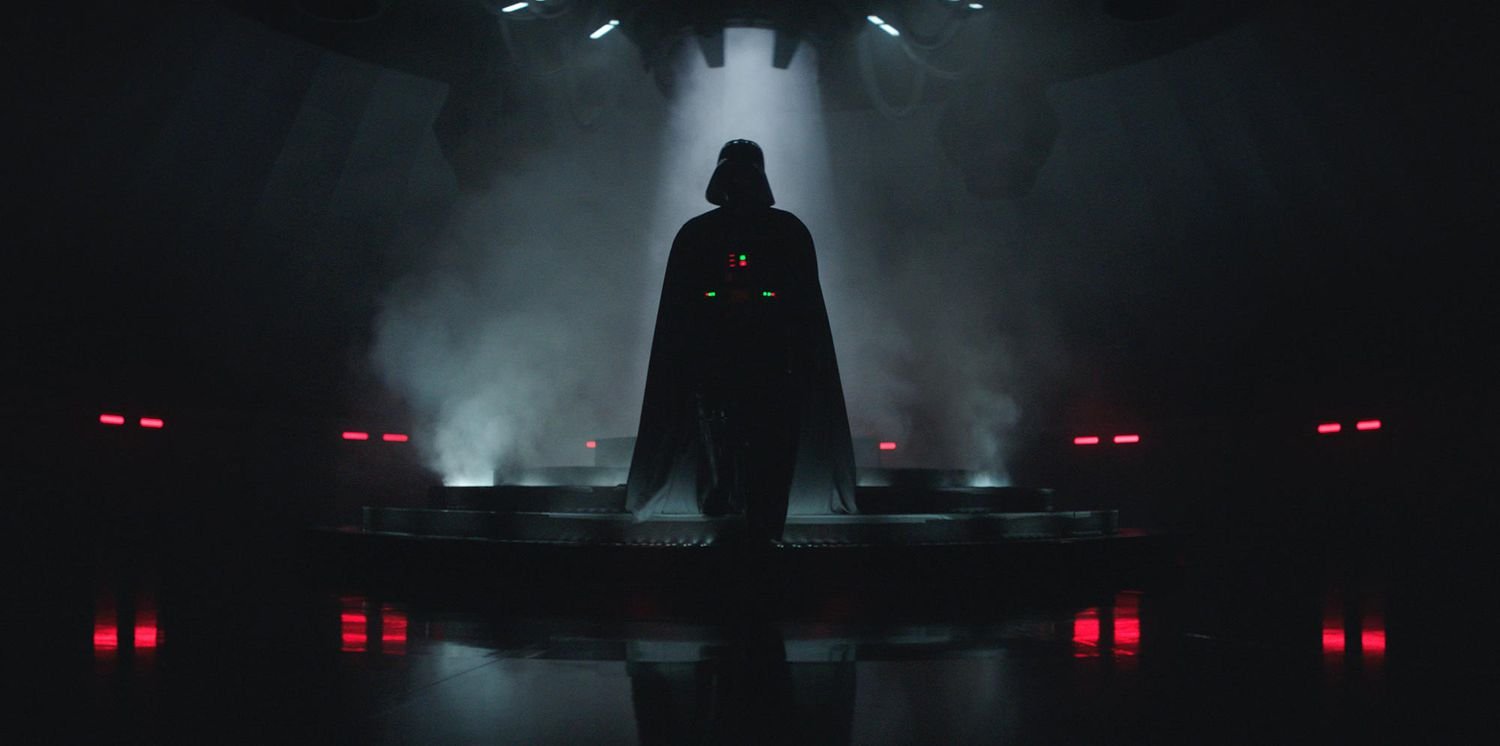
So lets further belabor the obvious - his look; evil incarnate. From the imposing black suit and billowing cape to the terrifying helmet and wheezing breath, Darth Vader’s look is burned into pop culture. He radiates terror even before he says a word. That mask, an expressionless black void, reflects the emptiness inside him—perfectly embodying his inner darkness.
Darth Vader’s voice is the stuff of nightmares and legends alike. James Earl Jones’s deep, resonant voice gives Vader authority and a sense of relentless power, turning even simple lines like “I am your father” into one of the most memorable lines in cinema history. Combined with his slow, calculated movements, his presence is as memorable as it is intimidating.

How about arguably the single greatest entrance in a movie…check.

If the SW4 entrance wasn’t enough, this one with the shapeshifting going on, further demonstrating Anakin/Darth Vader’s moral duplicity should definitely move the needle.
To be a great villain there are literary requirements, one of which is a great back story. Vader, better known as Anakin in the prequels had just a backstory. The Prequel Trilogy added depth to the Star Wars saga by telling the other half of Darth Vader’s story, emphasizing its tragic arc. Audiences were introduced to Anakin Skywalker, a gifted young slave with immense potential, thought to be the Chosen One destined to bring balance to the Force. Leaving Tatooine and his mother behind, Anakin pursued the path of a Jedi. However, his compassionate heart and lingering guilt over his inability to save his mother planted seeds of fear—fear of loss—that haunted him throughout his journey. Alongside this relatable struggle, the trilogy showcased Anakin’s courageous and heroic rise as a Jedi Knight.
Yet, Anakin's unresolved feelings of abandonment became his undoing, clouding his judgment and leading him down a dark path. Caught in a desperate situation, he made a fateful decision—one he believed was the only way to save his wife and unborn children. Tragically, this very choice set the stage for his greatest fear to come true, transforming him into the iconic villain he was destined to become. This transformation is gut-wrenching because it reveals the allure of power and the ease with which good intentions can be twisted. Anakin’s choice to embrace the dark side out of fear of loss gives him a tragic edge that makes him more complex than pure evil.


Was Darth Vader powerful?
As the Chosen One, Anakin Skywalker was born with an unparalleled connection to the Force. Even as a child, he displayed extraordinary reflexes, piloting skills, and mechanical aptitude, all enhanced by his natural attunement to the Force. After his transformation into Darth Vader, these abilities were twisted and amplified by the dark side, giving him access to incredible feats such as Force chokes, telekinesis, and even the ability to absorb and deflect blaster bolts. The dark side fed on his pain, anger, and hatred, making him immensely destructive.
He doesn’t even need to be in the suit to create morbid fascination. He is macabre personified.
While his injuries from the duel with Obi-Wan Kenobi on Mustafar left him dependent on a life-supporting suit, they did not diminish his fearsome physical presence. His cybernetic limbs granted him superhuman strength, allowing him to crush bones and overpower adversaries with ease. His suit, though cumbersome, became a symbol of his resilience and menace.


Vader is a skilled lightsaber duelist, blending the aggressive power of Form V (Djem So) with his own calculated and brutal combat style. His physical strength, enhanced by his cybernetic limbs, allows him to overpower most opponents in close quarters. Even after sustaining extensive injuries that limited his mobility, he adapted his technique to make his fighting style even more relentless and efficient.
Despite his immense power, Vader’s injuries and reliance on his suit are notable vulnerabilities. His mobility and stamina are somewhat limited, and his suit can be damaged in combat, exposing him to harm. Additionally, his emotional struggles—particularly his lingering connection to his past as Anakin Skywalker—make him susceptible to internal conflict, which ultimately leads to his redemption. But this only makes for an even better, more tragic back story.
Darth Vader’s portrayal was never about empowerment. Physically, he was a shattered figure, reliant on a machine to breathe and sustain his life. Psychologically, he was a man who had lost everything he held dear, reduced to an existence of servitude. The dark side did not empower him as it did Emperor Palpatine—it consumed him. Unlike his Sith Master, Vader was not a true leader; he was a tool of Palpatine's will, bound by his orders and devoid of personal purpose. However, in Return of the Jedi, he found redemption by sacrificing himself to save his son, Luke, bringing Anakin Skywalker’s tragic story to a heroic close.
Darth Vader offered audiences a safe way to confront their own inner darkness. His struggles were relatable to adolescents navigating the turmoil of identity, rebellion, and pain, yet he remained distant enough in his fictional nature to not overshadow reality. His journey toward self-discovery and the pursuit of defining his own path, despite others’ expectations, resonated deeply. This blend of relatability and complexity solidified his place as one of the greatest villains of all time.
Honorable Mentions:
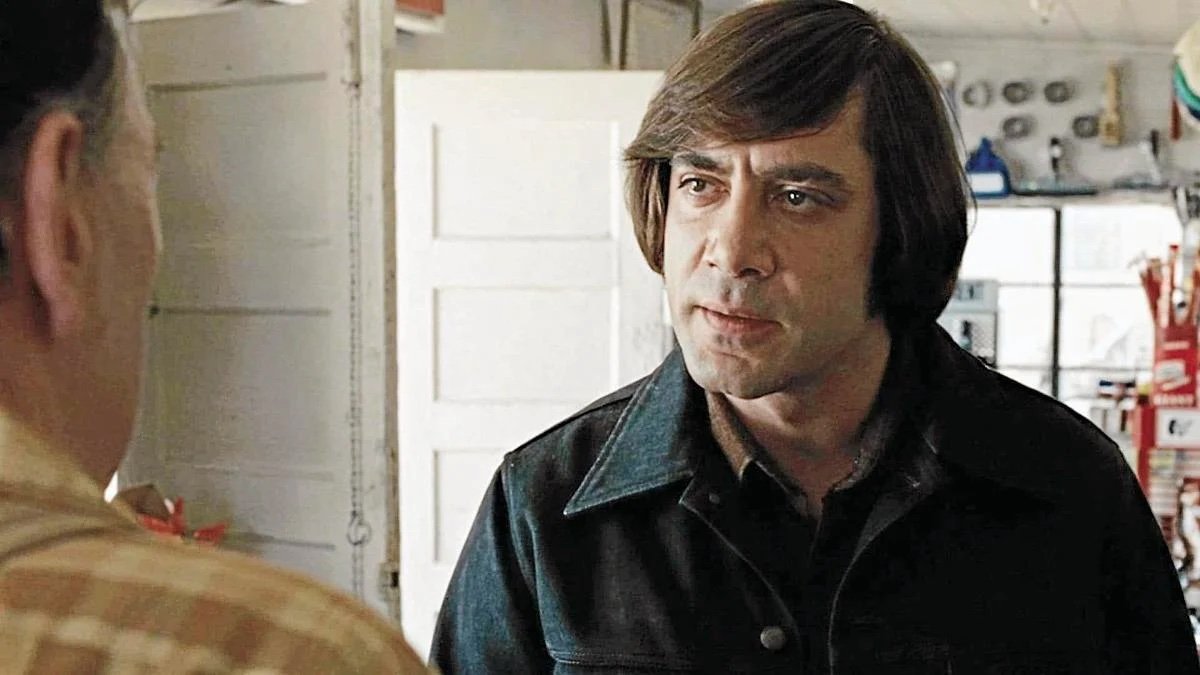
Anton Chigurh from No Country for Old Men stands out as an exceptional villain for several compelling reasons. His unsettling presence, unyielding adherence to his own twisted moral code, and the existential questions he raises about fate, justice, and morality make him both terrifying and unforgettable.
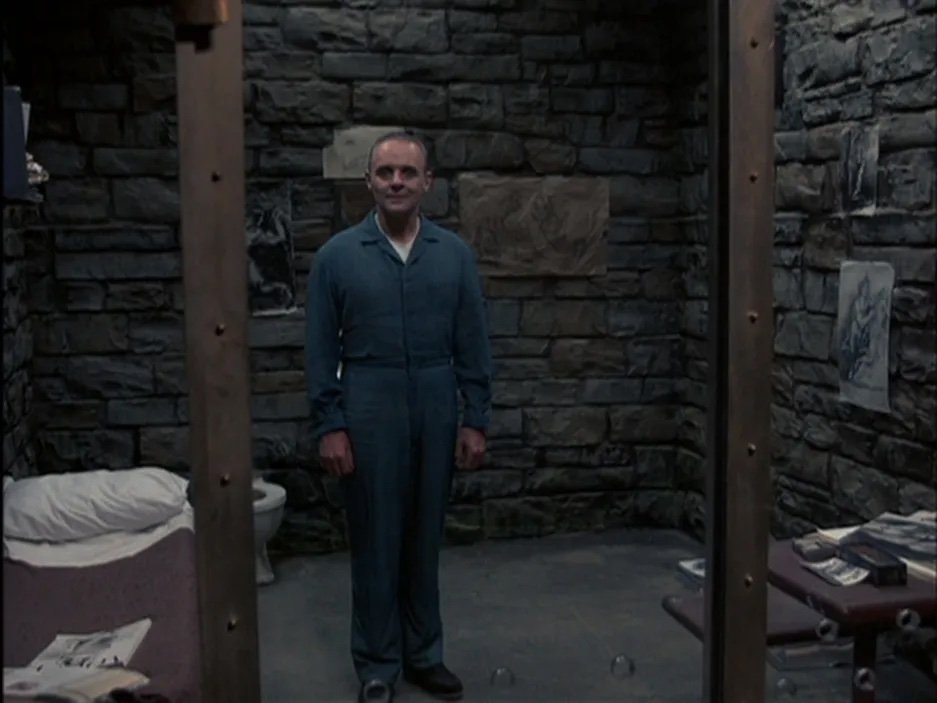
Hannibal Lecter from The Silence of the Lambs is one of the most iconic and compelling villains in fiction. His unique blend of intelligence, sophistication, and malevolence. His appeal lies in the contrast between his refined demeanor and his monstrous nature, which makes him as fascinating as he is terrifying.

Dolores Umbridge fromRowling's Harry Potter series is a brilliantly crafted villain because she represents a form of evil that is both recognizable and insidious. Unlike many antagonists in fiction, who rely on grand gestures or overt acts of violence, Umbridge’s villainy lies in her authoritarianism, manipulation, and exploitation of power under the guise of civility. I can still hear that little laugh and it makes me want to break things. Few villains inspire as much visceral hatred as Umbridge. Her smugness, condescension, and refusal to acknowledge the harm she causes make her one of the most universally despised characters in fiction. This ability to evoke such a strong emotional reaction is a testament to how effectively she is written.
Final Thoughts:
This was an entertaining exercise. I had to do a little research on my homie Darth and in the process saw some videos I had not seen in quite awhile. He is truly timeless and along with the feelings of nostalgia he gives me, I really think of him as as a tragic hero filled with “what could have beens” and endless debates on his character. I do not think we have seen the end of Darth Vader as I believe Disney will throttle his story for every once of narrative (money) they can.
I also do not think one can have a laundry list of “best villains’. This dilutes the talent to a point where the title is meaningless. A Mt. Rushmore - if you will - is all there should be.
I think there have been some movies/movie series that missed opportunities. Voldemort had no real sinister vibe for me. (Umbrage was a better villain for me) Same with Thanos. (Plus The Avengers are for the most part garbage stories anyway, save Iron Man/RDJ.)

Sometimes dreary is nice

I have been thinking about a project for my video productions kids are a while now; it is known as the 250 picture project. It is where they take a series of 10 pictures 25 times totaling 250 pictures. The idea I had was that they would start in one spot and move towards or away from a place, person, or thing and then once imported to FCP they would be able to speed them up perhaps making for a cool effect. I thought that it could be thematic, so I began thinking about what I would do my project on. As it turns out, the Friday after Thanksgiving was totally open for me and since the theme I had chosen was ‘urban’ I went downtown camera in hand to start my project.
First off - it was cold and dreary. Temperature was right around freezing and it was one of those days that Indiana is famous for - total cloud-cover and gray, gray, gray. It was, for whatever reason, the exact right vibe for what I was trying to accomplish. I thought that the tree at the circle would be a cool place to attempt this project., so I parked my car at Circle Center Mall and ambled out on to the street.
I am not a person overly given to allowing circumstances to affect how I feel, but it just felt so melancholy as I was walking around. Started playing some Elliot Smith - Miss Misery gave me some Good Will Hunting feelings and the combination of the music and the weather, etc was just deliciously dreary.
First thing I noticed that without even thinking about it, I was taking pictures of whatever caught my eye. No thoughts. No moving around so that I could get the best angle - nothing like that. Notice - point and shoot. It was actually liberating to do it that way as most of the time I am considering rule of thirds and lighting and blah, blah, blah. So when I I got home and went through the pics, I started frowning when I saw some of them, but convinced myself to stop and try to get back into that mood I was in when I took them. Just let it wash over you,. feel it - do not think about it. It became fun again quickly because then I was enjoying them just as when I took them.


I noticed right off that I kept taking pictures of old buildings. Dunno why, but when I took pics of some of the newer ones, it did not make me feel the same way. Too much glass and steel. There is obvious history in the architecture and colors - just feel like it has character that modern construction just does not have. I would love to see what some of those apartments might have been like in those older buildings.
There were two other things I noticed right away: the picture project was harder than I thought, and I wished I had brought a video camera. (Yes, the DLSR could have filmed, but its not my preferred vid cam. Call me bougie.)
When I was taking the picture, I would take 5-10 steps in between shots Boy do you need to pay attention to how you are walking. Go side to side to any size degree and it throws off the orientation of the pic. I learned that if I shot through the same spot over and over in my viewer it worked better. It can still be done, but attention must be paid.
With regard to the video camera issue - Pictures are worth a thousand words; videos are worth a million.

At some point while I was down there, the sun came out which was ironically a huge bummer. Right around that time, I seemed to lose my steam when it came to searching for new vistas, so I packed up and went home.
I am not going to start chanting or write a haiku here, but that feeling when you are chasing cool shots it a real high. I was going full tilt and looked down and 2 hours had gone by and it seemed like 10 minutes. I know I liked that feeling enough that I am now in search of a new way to get it.
I went through the photos and created a video from them. I used some of the new tools that the latest FCPX update gave us. The magnetic mask is really cool and I used it to remove the color around some of the paintings on different buildings. Increased saturation on the sign with a bleak black and white background was a cool juxtaposition of colors. Plus it gave me some time working with MM. There are a couple of sequences where I used that 10 pics procedure to mediocre effect,
To be honest, I am not really all that pleased with the video - it just didn’t turn out the way I wanted it to, which is weird because I did not really have any expectation for it. But I am going to publish my stuff - if I do not I am the biggest hypocrite who has ever lived. (CM and MP - that is for you!) Here’s that video.