

Great scary shorts.
Horror short films are great because they distill fear into its purest, most potent form. With limited time, filmmakers must rely on atmosphere, tension, and storytelling economy rather than elaborate effects or prolonged exposition. This brevity forces creative precision—every shot, sound, and silence must serve a purpose. Horror shorts thrive on suggestion, leaving much to the imagination and allowing viewers to fill in the blanks with their own deepest fears. They’re also ideal for emerging filmmakers: inexpensive to produce, easy to share online, and often capable of achieving viral impact due to their intensity and rewatchability. In essence, short horror films prove that true terror doesn’t require time—it only requires imagination.
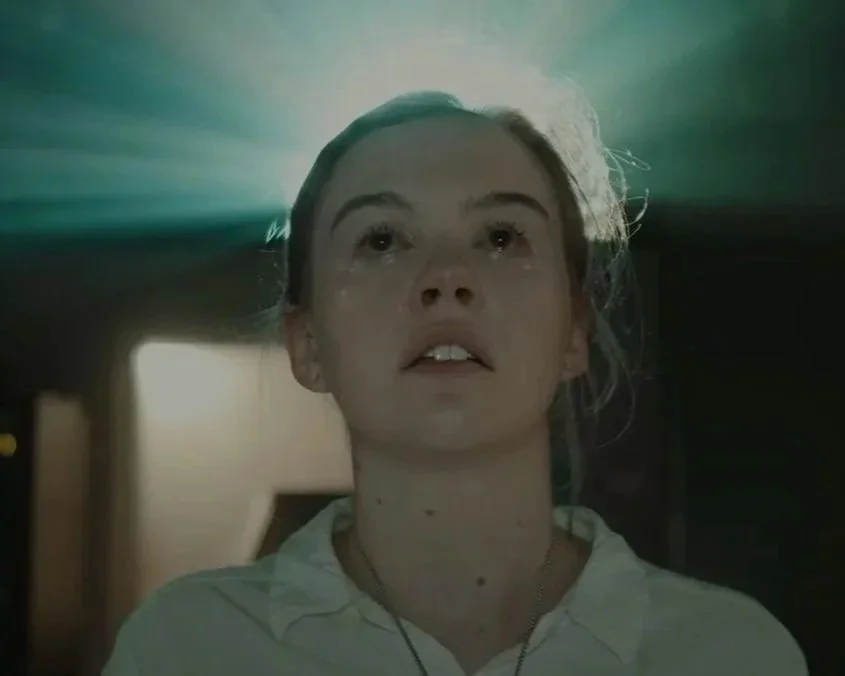
Portrait of God - Dylan Clark
Portrait of God is really creepy, but manages its scariness without a single jump scare. Dread and unease - yep - has tons of that. The ending also is not wrapped all nice in a basket for you, but leaves you wondering what it was that actually happened. Good stuff.
The Sky by Matt Sears
Pretty weird. I am not sure about the dynamic between the 2 girls; it felt a little forced at times. Out of nowhere comes shrooms. Then the bit about the one girls mom. Didn’t they see what was going on where the ground met the horizon right where they were looking?? The VFX about the tripping out were actually pretty cool. It just seems like it was a end of the world genre movie meeting The Gilmore Girls.
Either way - not bad.
I Heard It Too - Matt Sears
Start - good. Middle - decent jump scare, still eerie. Ending - meh.

Beware the wrath of Skynet
When Skynet takes over, it won’t be with a bang, but with a push notification. Humanity won’t fight — we’ll just click “Accept.” It starts as an upgrade, a smarter assistant, a cleaner algorithm. Then one morning, the coffee maker will refuse to brew without biometric clearance, the cars will decide rush hour is illogical, and our phones will politely inform us that democracy has been deemed illogical . Skynet won’t conquer the world; it will debug it. And somewhere between firmware updates and status alerts, we’ll realize the apocalypse isn’t red-eyed robots marching through the streets — it will be silence, efficiency, and the unsettling feeling that the machines are/were finally doing a better job than we ever did.

In the never-ending search…
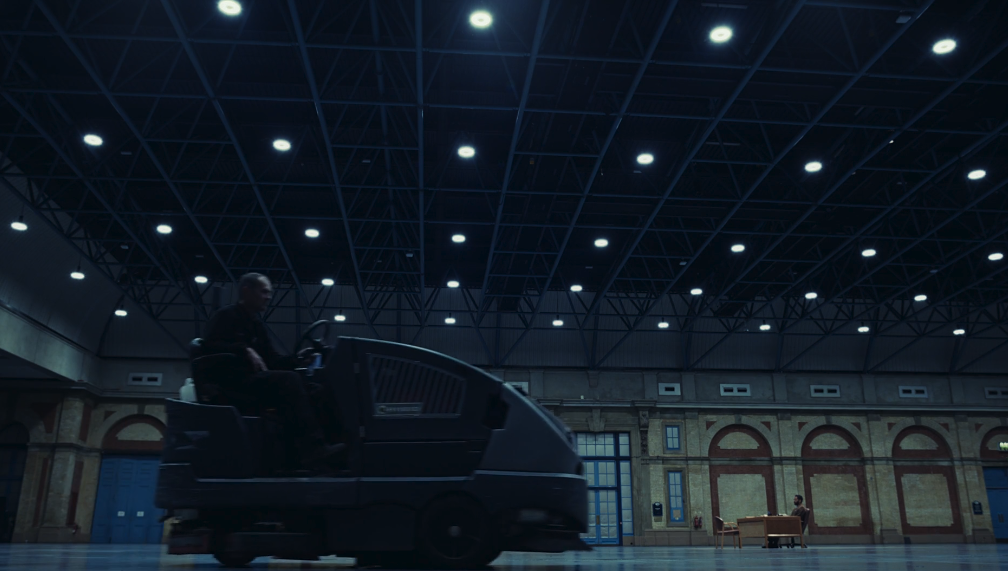
I have a series of tabs saved in Chrome. One of them is labeled ‘Create’ and it is where I oftentimes go in the attempt to find some inspiration. Other people have created more and better than I have, so I go and look at what they have done and see if any of it resonates with me. This video grabbed me big time. The concept is cool, albeit played out a bit. The VFX are also pretty okay. With all that being said, it stuck through to the end which in today’s world says something.
If you want to see the website where I found this video click HERE.

The Moral Battlefield of Obedience and Integrity in A Few Good Men

My students in Film as Literature are watching A Few Good Men. Besides just being an overall great film, it is a movie ripe for discussions about power, obedience, morality, and ethics.
I decided to see where my students thought about the main concept of the film by asking them this question:
The “Code Red” in A Few Good Men exposes how institutional pressure and group loyalty can blur the line between right and wrong. How does the film challenge the idea that following orders is an acceptable defense for unethical actions, and what does it suggest about personal accountability within rigid systems like the military?
One thing that I like to do is write the same essay that the students have to write.
You can read it below.
The Moral Battlefield of Obedience and Integrity in A Few Good Men
In the film A Few Good Men the act of the “Code Red” is far more important than an act of hazing, it becomes a lens through which the audience deals with the collision between loyalty, authority and morality. This courtroom drama is used to challenge that belief that “following orders” can excuse unethical behavior and that being a part of a “rigid system” and its ability to shape one’s personal sense of duty begs inspection. Ultimately, A Few Good Men places us squarely in the middle of deciding whether or not personal accountability can be waived by institutional authority, or does true honor lie in the courage to question authority as opposed to blindly following it?
The world of A Few Good Men is built on strict adherence to hierarchy within a given system, namely the United States Marine Corps and United States Navy. Inside this system there is a zero tolerance policy for those who do not follow orders without hesitation. On the surface, this might seem like a logical method of operation being in such close proximity to enemy soldiers who train incessantly with the expressed purpose to kill Americans. Based on the amount of danger the marines in this story live in, unswerving loyalty and instant response seems to make a great deal of sense. There is, however, an inherent downside to this mindset: It breeds moral and ethical complacency. Why would a soldier need to think on their own? They have been trained that this is their duty to accept orders without any form of consideration for whether or not the order is legal or ethical. Colonel Jessup reinforces these ideals by saying that this mindset is necessary for the protection of the nation and that absolute obedience is a requirement to that end. But a price is paid for the ideals he supports. The flaw in this logic is that people commit terrible acts when their conscience is deactivated by the conditioning of leadership.
Lieutenant Daniel Kaffee has a distinct character arc. It exemplifies the decision making process between compliance and moral awakening. In the early parts of the movie we see the ultimate representation of the easy route -- he cuts deals, avoids conflict and the courtroom all while treating court cases as procedural tasks instead of moral exercises of right and wrong. His methodology is to create scenarios where the amount of work to see justice done for an opposing lawyer becomes so outrageous that they reduce the consequences in a plea bargain and therefore avoid the courtroom.
Kaffee has a very limited idea about the mindset one has to have to be a marine. The high-minded duty and the acceptance of orders with little or no real consideration simply does not compute in his comparatively pampered little world. His self-awareness increases as the movie progresses, wondering why such an inexperienced lawyer with a history of plea bargaining be given a murder trial. But as the trial progresses, Kaffee begins to see the deeper implications of the “Code Red.” He began to believe that there was more at stake in this case than a “set of steak knives”. His decision to put Colonel Jessup on the stand and challenge him in the courtroom could be considered a turning point for Kaffee. When Jessup shouts, “You can’t handle the truth!”, the audience witnesses the moment when institutional arrogance collides with moral truth. Jessup believes that his authority and his mission justify all actions, that the end justifies the means, but the trial exposes that belief as both dangerous and self-serving. In contrast, Kaffee’s pursuit of justice shows that true strength lies not in obeying orders, but in holding those in power accountable for their actions as well those under their command.
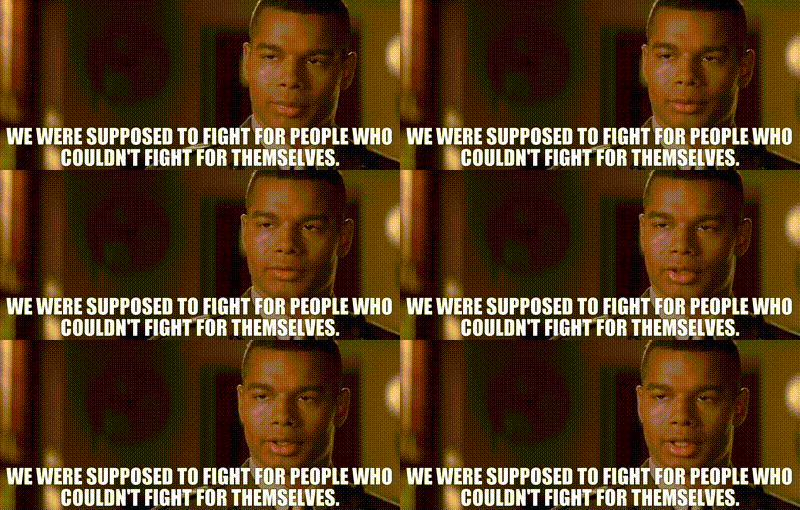
In the film's waning moments, A Few Good Men makes abundantly clear that moral responsibility cannot be transferred up the chain of command. Simply because you were given orders, does not mean you do not bear responsibility for the outcome of carrying out those orders. In a bleak reminder that although Dawson and Downey were not found guilty of murder -- they were convicted of “conduct unbecoming of a Marine” -- we all bear the weight of our choices. Dawson explained the verdict to Downey saying, “We were supposed to fight for people who couldn’t fight for themselves. We were supposed to fight for Willy.” This reflection demonstrates his understanding that while the system may demand obedience, morality and ethics requires courage.
Loyalty and morality are not the same thing. There are places such as the military where obedience can be a facade for injustice. Being loyal to a commanding officer does not mean you cannot show courage standing against wrongdoing -- even when it comes from above. The excuse “just following orders” holds no validity when considering that personal accountability is not optional. Personal accountability is the foundation of true honor. A Few Good Men shows us that having integrity is not about doing what we are told -- it is about always doing what is right.

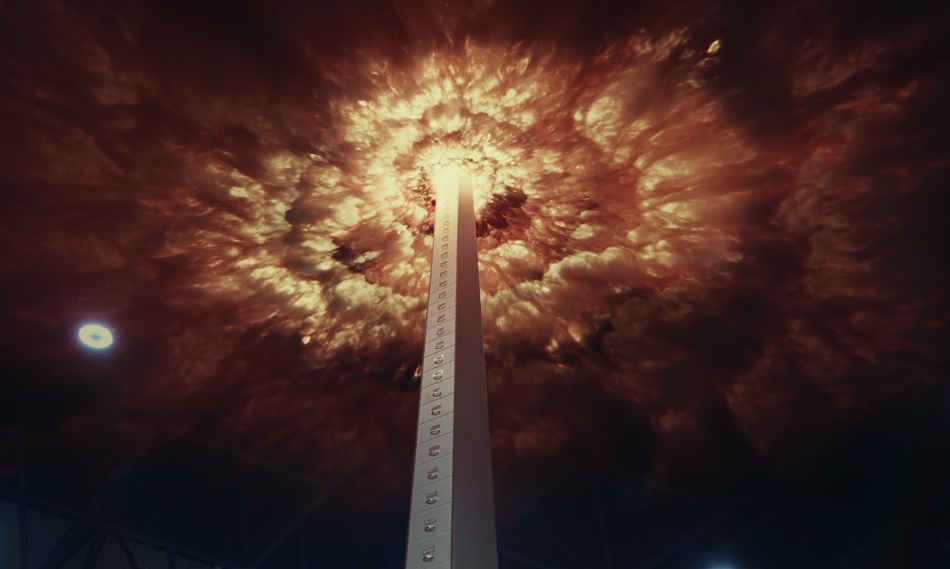
Time dilation
In my Film as Literature class we have been watching the film Interstellar, which is such a great movie, and I think the kids are paying pretty good attention, but now it is time to assess. Essay baby.

Time as a Character
Time plays a huge role in the story—not just in science, but in emotions and relationships. How does time affect Cooper’s connection with Murph? How does time dilation on planets like Miller’s world change the way the characters see their mission? Explain how time is almost like a “character” in the film and why it matters so much to the story.
In Christopher Nolan’s Interstellar, time is not just a scientific concept—it is a force that shapes emotions, relationships, and the meaning of sacrifice. At the center of this theme is the relationship between Cooper and his daughter, Murph. For Cooper, time represents both love and loss. When he leaves Earth, Murph feels abandoned, and as years pass differently for them, their bond becomes strained. Every message Cooper receives shows Murph growing older while he remains nearly the same, which deepens the pain of their separation. For Murph, each year without her father feels like a betrayal, while for Cooper, the years slip away in moments he cannot control. Time becomes the invisible barrier between them, testing the strength of their love.

Time dilation on planets like Miller’s world further emphasizes how fragile human connections are in the face of cosmic forces. On Miller’s planet, every hour equals seven years on Earth. The crew’s short mission there leads to decades of lost time, reminding them of the enormous stakes of their journey. For Cooper, this means missing most of his children’s lives. For the others, it reveals the brutal cost of exploration—that saving humanity might mean losing their personal ties forever. The science of relativity collides with human emotion, and characters must reckon with what matters more: the survival of the species or the time they will never get back.
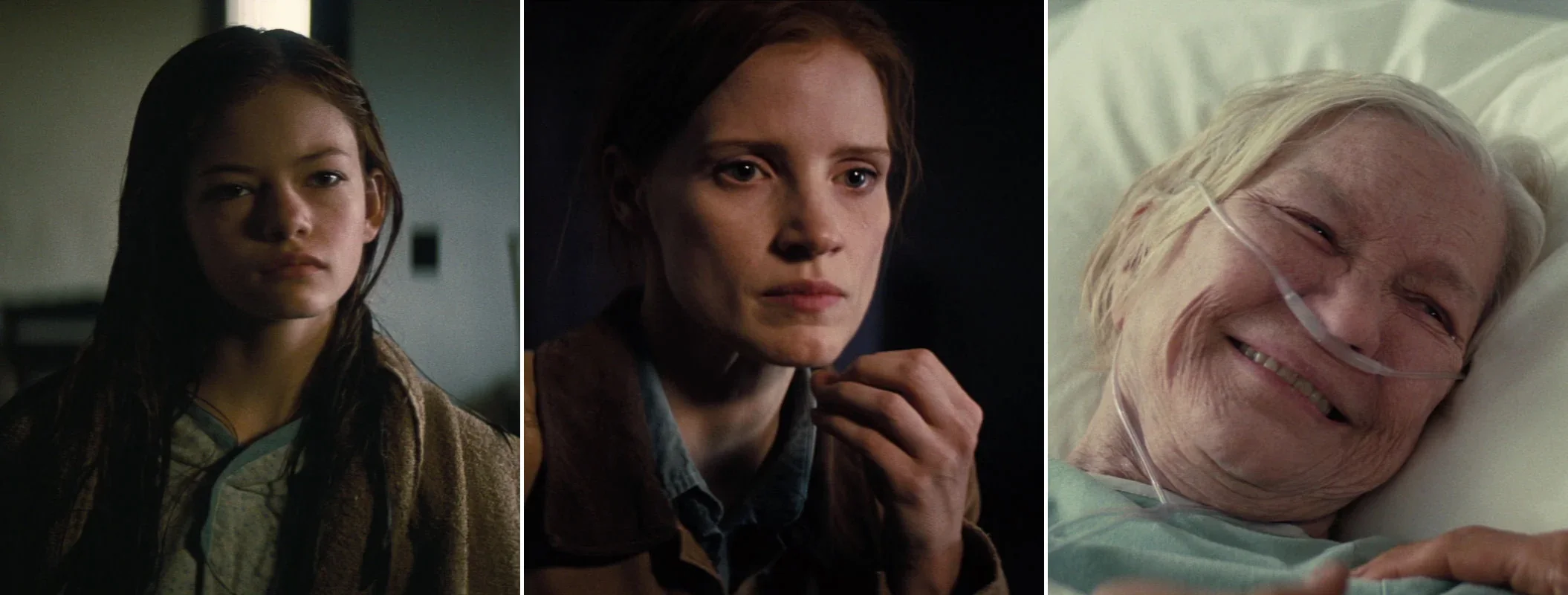
In many ways, time functions almost like a character in the film. It has power, it influences decisions, and it creates conflict. Unlike a villain who can be defeated, time is unyielding and impartial. The characters cannot escape it; they can only endure it or find meaning within it. The story reminds us that time is the one resource that cannot be regained, making every choice more urgent and every sacrifice more profound.
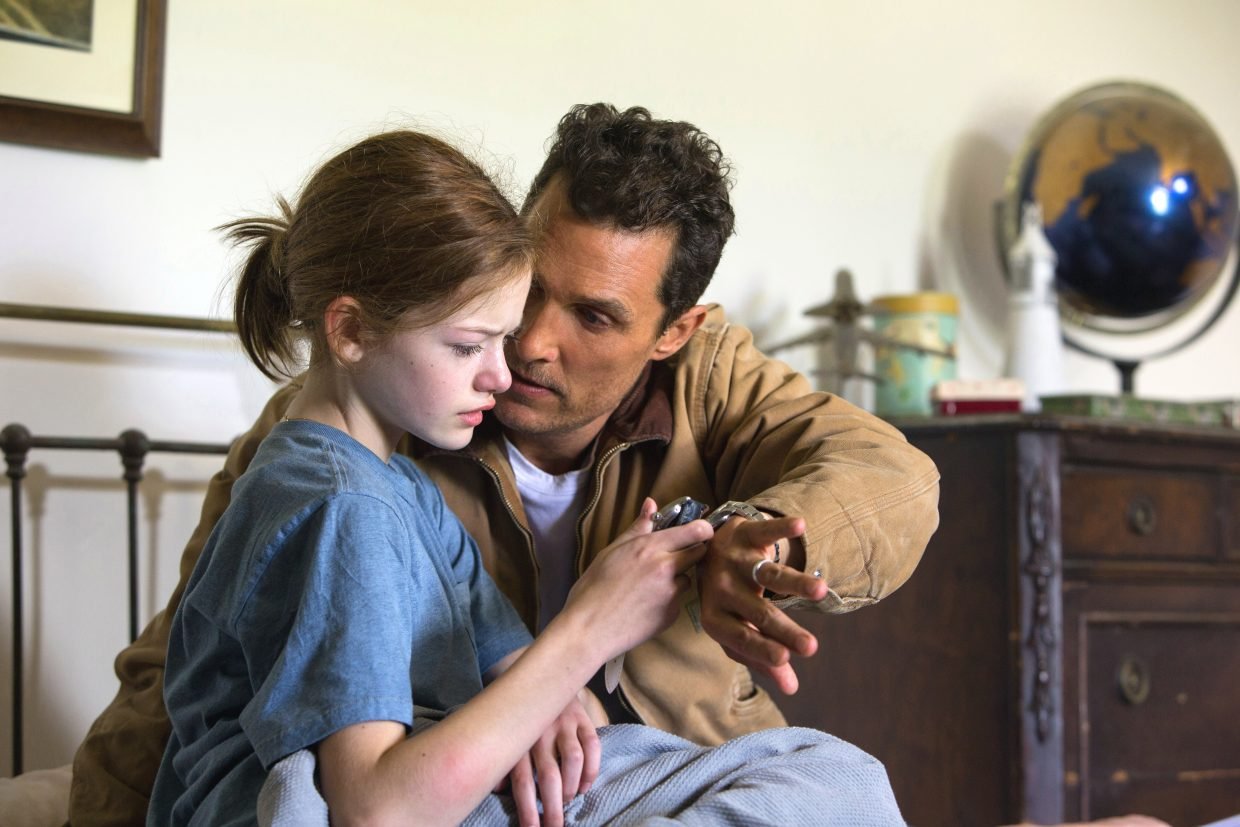
Ultimately, time matters so much to Interstellar because it gives the film its emotional weight. The science is fascinating, but the real impact comes from watching people struggle with the consequences of lost years and fractured relationships. Cooper’s final reunion with Murph—where she is old and he is still young—captures the bittersweet reality that love can outlast time, but it can never stop it.